
Mango Smoothie – Creamy, Tropical Escape in Every Sip
At its core, a mango smoothie blends three things.
That sounds simple, but the way these elements interact changes everything.
Mango brings natural sugar, fiber, and aroma.
The liquid base controls creaminess and calories.
Ice controls thickness and mouthfeel.
When those three balance, the smoothie feels rich but refreshing. When they do not, you get either mango water or mango milkshake.
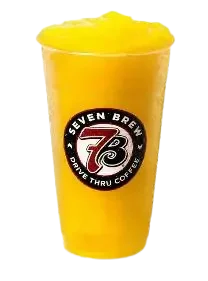
7 Brew Mango Smoothie Prices
Drink Size | Estimated Price | Best For |
|---|---|---|
Small | $7.00 – $7.50 | Light snack or quick refresh |
Medium | $8.00 – $8.50 | Most popular size |
Large | $9.00 – $9.75 | Sharing or full meal replacement |
Prices can vary slightly by location, taxes, and local promotions.
Why the Mango Smoothie Costs More Than Iced Drinks?
Many people compare smoothie prices to iced coffee and think they are expensive. That is a mistake.
A mango smoothie uses:
That makes it closer to a fresh fruit meal than a flavored drink.
Ingredients That Shape the Experience
A mango smoothie changes completely based on what you put in it.
Here is how each ingredient affects the final drink.
This is why two mango smoothies can taste totally different.
What a Great Mango Smoothie Should Taste Like
When people say they do not like mango smoothies, it is usually because they have never had a good one.
A proper mango smoothie should feel like this.
The first sip is cold and juicy.
The mango hits immediately.
Then creaminess rounds it out.
The finish feels smooth, not sticky.
If it tastes thin, it has too much liquid.
If it tastes heavy, it has too much dairy.
If it tastes flat, the mango was not ripe enough.
This balance is what separates café-level smoothies from disappointing home blends.
Mango Smoothie – Nutrition Facts By Size
Nutrient | Small | Medium | Large |
|---|---|---|---|
Calories | 330 – 480 | 480 – 620 | 620 – 740 |
Total Fat | 0 – 10 g | 0 – 15 g | 0 – 20 g |
Saturated Fat | 0 – 5 g | 0 – 8 g | 0 – 10 g |
Cholesterol | 0 mg | 0 mg | 0 mg |
Sodium | 20 – 70 mg | 40 – 90 mg | 60 – 110 mg |
Carbohydrates | 60 – 95 g | 85 – 120 g | 100 – 140 g |
Dietary Fiber | 2 – 4 g | 3 – 5 g | 4 – 6 g |
Sugars | 45 – 80 g | 65 – 100 g | 80 – 120 g |
Protein | 2 – 5 g | 3 – 7 g | 4 – 9 g |
These numbers are based on a standard mango smoothie using mango puree, ice, and a milk base such as coconut milk, almond milk, or oat milk.
How Milk Choice Changes the Nutrition?
Milk Base | Calories | Fat | Sugar Impact | Best For |
|---|---|---|---|---|
Water | Lowest | None | Only fruit sugar | Weight loss and hydration |
Almond milk | Low | Low | Mild sweetness | Daily drinking |
Oat milk | Medium | Medium | Adds natural carbs | Filling smoothies |
Coconut milk | Highest | High | Rich and sweet | Dessert style |
If you want a mango smoothie that feels refreshing instead of heavy, water or almond milk is the best option.
If you want it creamy and indulgent, coconut milk or oat milk turns it into a tropical treat.
Why Mango Smoothie Calories Feel Different?
Even when the calorie number looks high, mango smoothies feel lighter than milkshakes or frappes because:
That is why people often feel energized instead of sluggish after drinking one.
Mango Smoothie – Allergy Awareness Guide
Your mango smoothie is built from fruit, ice, and a liquid base. That sounds simple, but what you choose to mix with mango changes its allergen profile completely.
Naturally Free From
These allergens are not part of a standard mango smoothie.
Depends on How You Customize
These allergens appear only when certain bases or add-ins are used.
If You Add | Then It Contains |
|---|---|
Dairy milk or yogurt | Milk (dairy) |
Almond milk | Tree nuts |
Coconut milk | Tree nuts |
Oat milk | Possible gluten |
Fruit syrups or blends | Possible soy or hidden sugars |
Cross-Contact Risk at 7 Brew
Even if your drink contains no allergens, it is blended using shared equipment.
This means small traces of:
may still be present.
This is common in smoothie bars and drive-thru cafés.
How to Choose the Right Mango Smoothie for You
Not every mango smoothie fits every goal.
Here is how to think about it.
If you want something light, choose mango with water or almond milk.
If you want something creamy, choose coconut or oat milk.
If you want something filling, add banana or yogurt.
If you want something refreshing, add pineapple or citrus.
Once you understand this, you stop ordering blindly.
The Hidden Health Side of Mango Smoothies
Mango smoothies get labeled as sugary. That is only half true.
Mango contains vitamin C, vitamin A, potassium, and natural antioxidants. It also provides hydration and energy.
A mango smoothie made with water or almond milk is light and refreshing.
One made with sweetened coconut milk and syrup becomes a dessert.
Neither is wrong. But knowing the difference helps you choose what fits your body.
Why Mango Dominates the Smoothie World
There is a science behind mango’s popularity.
Mango contains a rare combination of fructose and glucose. That means it tastes sweet fast but does not spike bitterness. It also contains natural enzymes that break down fiber, which is why it blends smoother than berries or apples.
From a flavor perspective, mango sits in the middle of the fruit spectrum. It is not sharp like citrus. It is not dull like banana. It tastes bright without being sour.
This makes mango the perfect base for blending with milk, yogurt, coconut water, or even plain water.
How Cafés and Drive-Thru Chains Build Mango Smoothies
Commercial mango smoothies use a base that stays consistent. That ensures the flavor tastes the same every time.
Places like 7 Brew rely on mango puree, milk base, and ice. Then they let customers customize.
That flexibility is why mango smoothies work so well in modern menus.
One base.
Dozens of versions.
Common Mango Smoothie Mistakes
After testing dozens of mango blends, I have noticed a few patterns.
People use unripe mango, which tastes dull.
They add too much liquid, which kills texture.
They rely on sugar instead of fruit quality.
They forget acid, which brightens flavor.
The fix is simple.
Use ripe or frozen mango.
Use less liquid than you think.
Let the fruit carry sweetness.
Add a splash of citrus if needed.
Those four changes transform the drink.
How to Make Your Mango Smoothie Taste Like a Café Drink
Follow this simple system.
- Use frozen mango for thickness.
- Use less liquid than you think.
- Blend longer than you expect.
- Taste before sweetening.
- Adjust with citrus or pineapple.
My Real Mango Smoothie Experience
The Drink That Quietly Took Over Summer, Fitness, and Coffee Shop Culture
I still remember the first mango smoothie that made me stop mid-sip.
It was not just sweet. It was not just cold. It felt like someone poured a summer afternoon into a cup. Bright mango hit first. Then a soft creamy wave followed. The aftertaste lingered like a tropical breeze.
That was the moment I realized something important.
A great mango smoothie is not a drink.
It is an experience.
And that is why mango smoothies have become one of the most ordered beverages across cafés, drive-thru shops, fitness studios, and home kitchens. From smoothie bars to places like 7 Brew, this one flavor keeps winning because it hits emotional, physical, and sensory needs at the same time.
Frequently Asked Questions
Conclusion
Mango smoothies sit at the perfect intersection of taste, health, and emotion. They work because mango delivers natural sweetness, bright flavor, and smooth texture in a way few fruits can.
When you understand how the base shapes the experience, you stop guessing and start designing the perfect drink for your body and mood.
That is what separates casual sipping from intentional enjoyment.